Why Some Injuries Take Longer to Heal Than Others: Understanding the Science of Tissue Recovery
When you are recovering from an injury, one of the most common questions is: “Why is this taking so long to heal?”
Whether it is a sporting injury, persistent heel pain, a tendon problem or recovery following surgery, healing does not always follow a predictable timeline. Some injuries settle relatively quickly, while others take weeks or months and may improve in stages rather than in a straight line.
At Clinical Laser Therapy Australia (CLTA), we often see people who feel frustrated because their recovery has plateaued or is taking longer than expected. Understanding how tissue healing works can help set realistic expectations and explain why an individualised, clinically guided approach is important.
Quick answer: An injury may take longer to heal because of the tissue involved, the severity and location of the injury, blood supply, age, general health, sleep, nutrition, smoking, stress, repeated loading and whether rehabilitation is progressed appropriately. Two people with the same diagnosis can therefore have very different recovery timelines.
Healing Is More Complex Than Waiting For Pain To Disappear
The body has a remarkable ability to repair itself, but healing is a complex biological process. Cells, blood vessels, collagen fibres and chemical signals all work together to protect the injured area, rebuild tissue and gradually restore strength.
Pain is only one part of the picture. Symptoms may reduce before the tissue has fully regained its capacity, or discomfort may persist even while healing is progressing. This is why recovery should be assessed in the context of function, movement, strength and tolerance to load, not pain alone.
What Are The Three Stages Of Tissue Healing?
1. The inflammatory phase
Immediately after an injury, the body begins a natural inflammatory response. Although inflammation is often viewed negatively, short-term inflammation is an important part of normal healing. It helps protect the area, remove damaged material and prepare the tissue for repair.
The length of this phase varies according to the type and severity of the injury, as well as the person’s overall health.
2. The repair phase
During the repair phase, the body produces new tissue, including collagen and other structural proteins. This new tissue is still developing and is not yet as strong or well organised as the original tissue.
Appropriate movement and rehabilitation may be introduced or progressed during this stage, depending on the injury and advice from the treating healthcare professional.
3. The remodelling phase
In the remodelling phase, new tissue is gradually reorganised and strengthened. This stage can continue for many months, even after pain has reduced and everyday movement feels easier.
This helps explain why a gradual return to sport, exercise or physically demanding work is often recommended. Feeling better does not always mean the tissue is ready for full load.
Why Do Some Injuries Take Longer To Heal?
The type of tissue involved
Different tissues have different structures and blood supplies. Muscles generally have a richer blood supply than tendons or ligaments, while some areas of cartilage receive very limited direct blood flow. These differences can influence how quickly nutrients and repair cells reach the injured area.
Tendon and ligament injuries can therefore require longer-term management and careful progression of load.
The severity and location of the injury
A mild strain is different from a significant tear, and an injury in an area that is repeatedly loaded through walking, work or sport can be difficult to rest completely. The depth and location of the affected tissue may also influence assessment and treatment planning.
Age and general health
Healing processes can become slower with age, although this does not mean meaningful recovery cannot occur. Diabetes, circulation problems and some other health conditions may also affect the body’s capacity to repair tissue.
Medical history, medications and previous injuries should be considered when developing an appropriate care plan.
Sleep, nutrition and stress
Sleep supports many normal recovery processes. Adequate nutrition provides the energy and building blocks needed for tissue repair, while prolonged stress may affect sleep, pain perception and recovery behaviours.
These factors do not replace clinical treatment, but they can influence the environment in which healing takes place.
Smoking and circulation
Smoking can affect circulation and oxygen delivery to tissues. Reduced blood flow may interfere with normal healing processes, particularly following surgery or significant injury.
Repeated loading or returning too quickly
Continuing to overload an injured area may keep aggravating the tissue. On the other hand, complete rest for too long can contribute to loss of strength, mobility and tissue capacity.
The goal is usually to find the right level of activity for the stage of healing, then increase it gradually as the tissue adapts.
Why Is Rest Alone Not Always Enough?
Short-term activity modification may be appropriate after an injury, but recovery often requires more than simply waiting. Depending on the condition, a broader plan may include graded exercise, strength work, mobility, load management, manual therapy, footwear or biomechanical advice, and review by a GP, physiotherapist or specialist.
The most suitable approach depends on the diagnosis, stage of healing, individual goals and other health considerations.
Where May Photobiomodulation Therapy Fit?
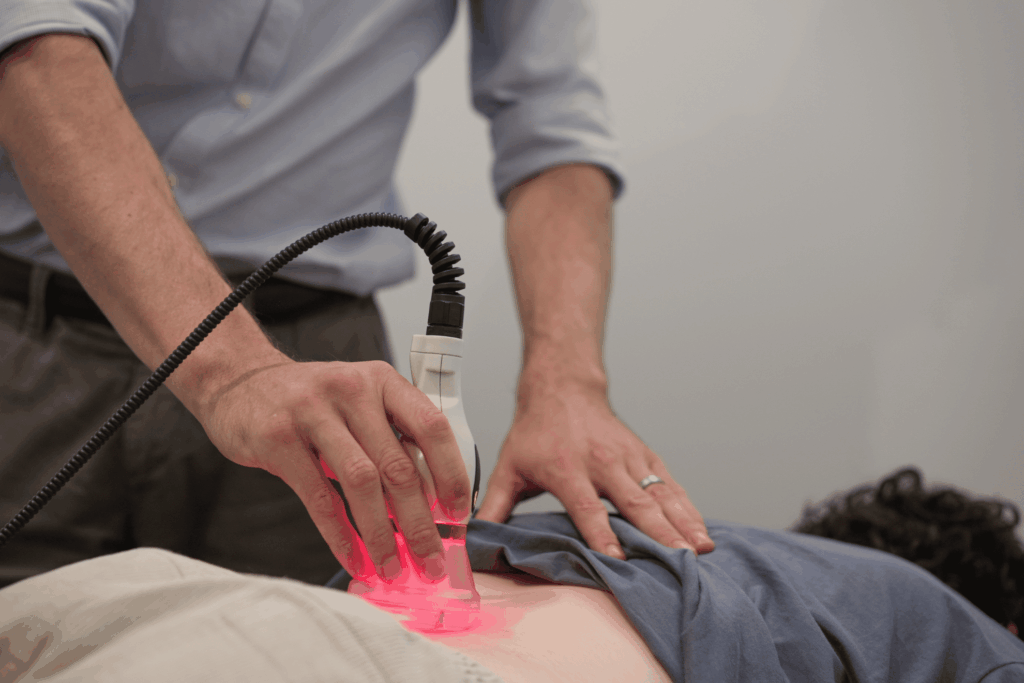
Photobiomodulation therapy (PBMT), commonly known as clinical laser therapy, uses specific wavelengths of light delivered to targeted areas of the body. It is used in a range of healthcare settings and may be incorporated into a broader management plan following clinical assessment.
At CLTA, PBMT is delivered using medical-grade laser systems. Treatment planning considers the tissue involved, the person’s health history, symptoms, goals and stage of recovery. PBMT is not presented as a replacement for diagnosis, rehabilitation or other recommended medical care. Instead, it may form one part of an individualised, multidisciplinary approach.
Why Individual Assessment Matters
No two injuries are identical. Even when two people have the same diagnosis, their age, work, sport, previous injuries, health history and recovery goals may be very different.
An assessment helps determine whether further medical investigation is required, which factors may be slowing progress and whether clinical laser therapy may be suitable as part of the care plan. Ongoing review is also important so treatment and activity can be adjusted as recovery progresses.
When Should You Seek Assessment For a Slow-healing Injury?
Consider seeking advice from an appropriately qualified healthcare professional when pain is severe, symptoms are worsening, there is significant swelling or loss of function, you cannot place weight through the area, the injury followed major trauma, or progress has stalled despite reasonable self-management.
Prompt assessment is also important if there are signs of infection, unexplained redness or heat, numbness, weakness, fever or other symptoms that concern you.
Supporting Regional Communities
Access to specialised therapies can be more limited outside metropolitan areas. Clinical Laser Therapy Australia provides evidence-informed, patient-centred care from clinics in Moama, New South Wales, and Bendigo, Victoria.
The CLTA team works with patients and, where appropriate, alongside their existing healthcare providers to support coordinated care closer to home.
Every Recovery Journey is Different
Healing is rarely a perfectly straight line. Progress can include periods of improvement, plateaus and temporary flare-ups as activity changes. Understanding the stages of tissue recovery can make the process less confusing and reinforce the value of realistic timelines, structured rehabilitation and ongoing clinical review.
If an injury is taking longer to heal than expected, an individual assessment can help clarify the next steps and whether photobiomodulation therapy may be appropriate for your circumstances.
Frequently Asked Questions
How long does a soft tissue injury take to heal?
Healing time varies widely. A minor soft tissue injury may improve within several weeks, while tendon, ligament or more significant injuries can require several months. The tissue involved, injury severity, health history and rehabilitation plan all affect the timeframe.
Why does my injury still hurt after several weeks?
Ongoing pain can have several causes, including continued tissue irritation, repeated loading, reduced strength, altered movement or an injury that needs further assessment. Pain does not always directly reflect tissue damage, so persistent symptoms should be reviewed rather than self-diagnosed.
Can clinical laser therapy help an old injury?
Photobiomodulation therapy may be considered for some persistent or recurrent conditions after assessment. Suitability depends on the diagnosis, tissue involved, medical history and current symptoms. It is generally used as part of a broader care plan rather than as a standalone solution.
How many clinical laser therapy sessions will I need?
There is no single number that applies to every person. The recommended frequency and duration depend on the condition, how long it has been present, the individual response and the broader management plan. CLTA reviews progress and adjusts care accordingly.
Should I exercise while an injury is healing?
Complete rest is not always necessary, but exercise may need to be modified. The appropriate type and amount of movement depends on the injury and stage of healing. A qualified healthcare professional can guide a gradual return to activity.
Discuss Your Recovery Options
Contact Clinical Laser Therapy Australia to arrange an individual assessment at the Moama or Bendigo clinic
Moama Clinic: 22 Meninya St, Moama NSW 2731
Contact: 0354 073 005
Bendigo Clinic: 176 Barnard St, Bendigo Vic 3550
Contact: 0354 425 288
Email: info@clinical-laser-therapy.com.au
Book a consulation today
Bendigo Orthopaedic and Sports Medicine Clinic
176 Barnard St, Bendigo Vic 3550